
It convinces someone to stop scrolling and pay attention: the "main" product photo—often the first image a shopper sees on a PDP, landing page, or ad—designed to communicate value, quality, and context in seconds.

What Is a Hero Shot? (Definition, Purpose, and What It Must Do)
It's the primary image that represents your product or offer—usually above the fold—and sets expectations for everything that follows. In hero shot photography, the goal isn't to show "everything." The goal is to create instant understanding.
What a hero shot should communicate in 3 seconds
- What it is: the product must be unmistakable, even on mobile.
- Why it matters: a benefit, outcome, or premium quality signal.
- For whom: implied audience or scenario (when relevant).
- Brand trust: consistent lighting, sharpness, and styling.
Why Hero Shot Photography Matters (SEO, Conversion, and Brand Trust)
Hero shot photography sits at the intersection of attention and trust. On marketplaces and DTC stores, customers can't touch the product—so your hero shot has to do the heavy lifting.
Where the hero shot shows up in your funnel
- Click-through rate (CTR): the hero shot is often your thumbnail or ad creative.
- Conversion rate (CVR): the hero shot reduces uncertainty and increases confidence.
- Return rate: clear hero shots set accurate expectations.
- Search visibility: optimized image SEO (alt text, filenames, compression) helps pages perform.
For baseline ecommerce compliance, many platforms start with a clean white background photo. If your workflow needs clean cutouts, use our guide on how to remove background from image. For high-impact context and scenes, build on AI product photography.
Elements of a Great Hero Shot: A Practical Checklist
High-performing hero shots typically share the same fundamentals—no matter the category.
1) Clear subject hierarchy
Your product should be the most dominant element in the frame. Avoid busy props that compete with it.
2) Lighting that matches the promise
- Clean + clinical: soft, even light (great for beauty, supplements).
- Premium: contrast + controlled reflections (great for luxury, tech).
- Natural: window-light look (great for wellness, home).
3) Consistent styling across the catalog
Hero shot photography works best when the entire gallery follows the same visual language. Consistency builds trust and improves scroll behavior.
4) On-brand background strategy
A clean studio backdrop is often the safest choice, but lifestyle context can outperform when your product needs explanation. If you're exploring story-driven scenes, pair hero shots with supporting images inspired by product lifestyle photography.
5) Technical quality (sharpness + resolution)
Ensure crisp edges, accurate color, and enough resolution for zoom. If you're exporting for multiple channels, consider size optimization principles from marketplace workflows like Amazon listing optimization.
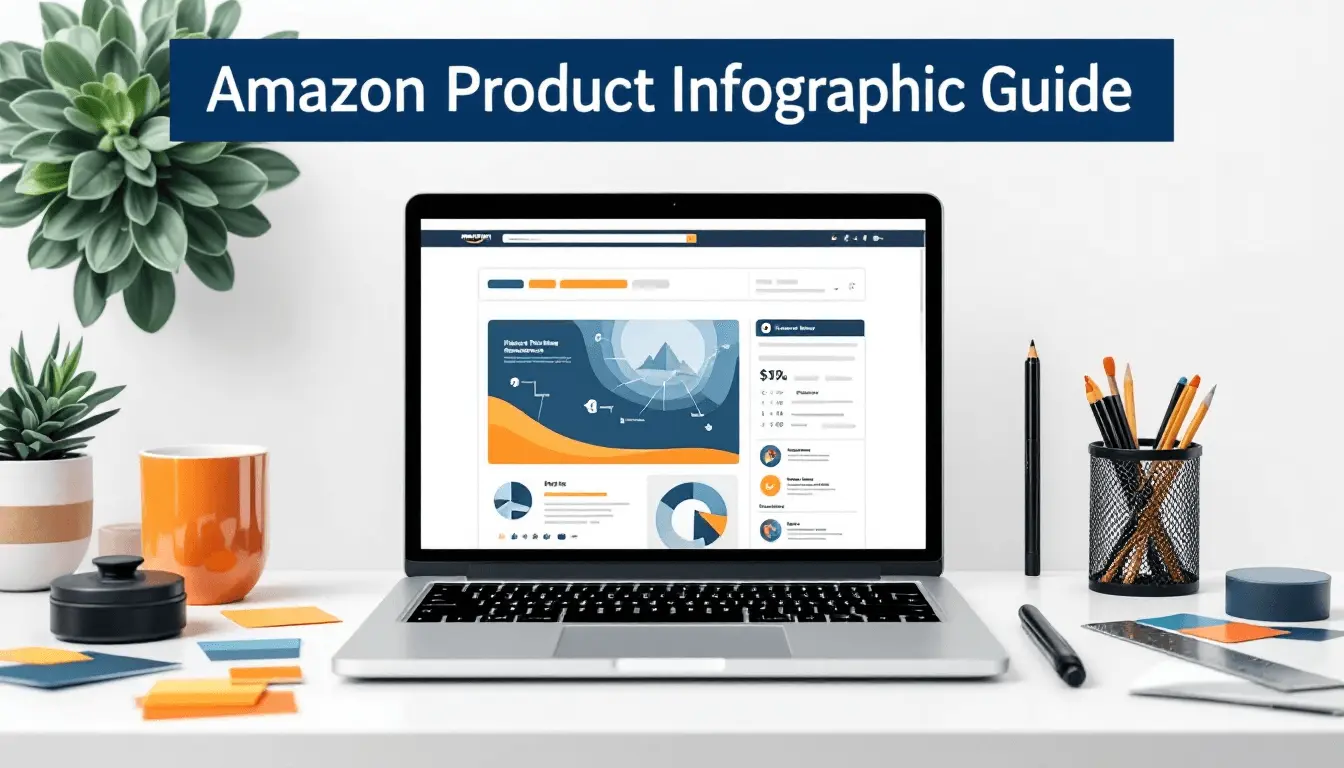
Pair a strong hero shot with supporting visuals like infographics (see Amazon product infographic).
Use Case Explanations: Where Hero Shots Win (and What to Optimize)
The definition is most useful once you apply it per channel. Below are practical use cases and what makes each hero shot work.
Ecommerce product detail pages (PDPs)
Your PDP hero shot should be clarity-first: show the product angle buyers expect, remove distractions, and keep color accurate. Many brands start with a compliant white background photo hero shot, then add lifestyle alternates.
Amazon and marketplace listings
Marketplace hero shot photography should follow strict guidelines and prioritize readability at thumbnail size. Complement it with benefits images and infographics to reduce questions and returns.
Landing pages
On landing pages, the hero shot often includes product + context. The best approach is: product first, benefit second, proof third (reviews, badges, guarantees).
Paid ads (Meta, TikTok, Google)
For ads, your hero shot must communicate the offer instantly. Test multiple variants: studio clean, lifestyle in-use, and close-up detail. If you need rapid variations without a reshoot, use AI product photography.
Email and SMS
Email hero shots should be high-contrast and mobile-friendly. Keep the product centered with generous negative space for copy overlays.
Step-by-Step Tutorial: How to Create a Hero Shot That Converts
This workflow turns the definition into a repeatable production system.
- Pick the single job your hero shot must do: Decide if the hero shot's job is clarity (marketplaces), aspiration (DTC), or education (new products). One job per image.
- Choose the background type (clean vs lifestyle): If you need compliance and universal usability, start with a white background photo. If you need storytelling, plan a lifestyle scene and keep props minimal.
- Prepare a clean cutout (optional but powerful): For flexibility across platforms, remove the background first using background removal. This makes it easier to create consistent hero shot variations.
- Generate or shoot 3 hero shot variants: Create: (a) clean studio hero shot, (b) lifestyle hero shot, (c) detail/texture hero shot. Use the same angle across variants to keep comparison fair.
- Export in channel-ready sizes: At minimum export 1:1, 4:5, 9:16, and 16:9. Keep file sizes optimized and preserve sharp edges for zoom.
- A/B test the hero shot (don't guess): Test one variable at a time: background style, angle, crop tightness, or reflection intensity. Track CTR and CVR.