
Great jewelry photography props are rarely "just the jewelry." The right props add context, scale, and a premium feel—without distracting from the piece. In this guide, you'll get a curated list of jewelry photography props, practical styling rules, and a repeatable workflow for shooting product-ready photos for ecommerce, marketplaces, and social.

Why Jewelry Photography Props Matter (Even for "Simple" Product Shots)
Jewelry photography props do three jobs at once:
- Clarity: they help shoppers understand scale (especially for earrings and rings).
- Desire: they signal price point—marble and stone read premium; wrinkled fabric often doesn't.
- Story: they add context (bridal, everyday, gifting, travel) without needing a model.
The best jewelry photography props are the ones viewers barely notice—because the jewelry stays the hero.
If you're selling on marketplaces, start with a compliant hero image first, then build lifestyle variants with jewelry photography props. See: white background photo.
9 Jewelry Photography Props You Need to Try
Below are nine high-ROI jewelry photography props that work across rings, necklaces, bracelets, and earrings. Each one includes what it's best for and how to avoid common styling mistakes.
1) Natural stone (marble, travertine, slate)
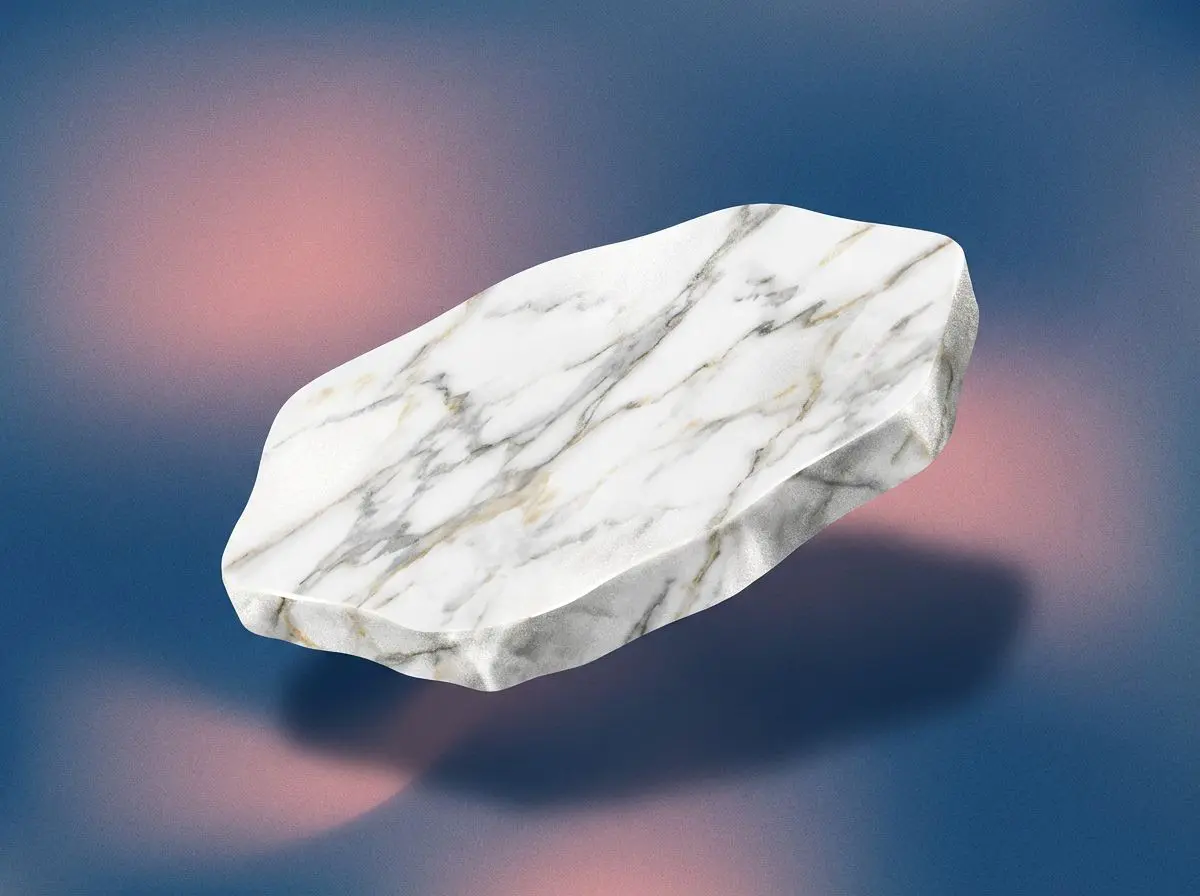
Stone surfaces are classic jewelry photography props because they instantly communicate premium and keep reflections controlled.
- Best for: gold jewelry, minimalist pieces, luxury collections
- Tip: keep the stone pattern subtle; heavy veining can steal attention
2) Acrylic risers and clear blocks
Acrylic blocks are "invisible" jewelry photography props that add height and layering for a more editorial look.
- Best for: ring stacks, layered necklaces, sets
- Tip: wipe fingerprints constantly; acrylic shows everything
3) Linen, silk, or matte fabric (as a soft base)
Fabric is one of the most versatile jewelry photography props—it can feel romantic, cozy, or modern depending on texture.
- Best for: bridal jewelry, gifting shots, warm lifestyle scenes
- Tip: steam it—wrinkles read "cheap" fast
4) Hands (or hand forms) for scale and believability
Hands are powerful jewelry photography props because they solve the #1 shopper question: "How big is it?"
- Best for: rings, bracelets, delicate chains, drop earrings
- Tip: keep nails and skin styling consistent with your brand
5) Dishes and trays (ceramic, metal, glass)
Small dishes are functional jewelry photography props that create an "everyday ritual" vibe (bedside table, vanity, travel).
- Best for: collections, multiple SKUs, flat lay sets
- Tip: avoid busy patterns; choose simple silhouettes
6) Flowers and botanicals (fresh or dried)
Florals are high-impact jewelry photography props for romantic or seasonal storytelling—without requiring heavy styling.
- Best for: Valentine's, bridal, spring launches, gifting
- Tip: use 1–2 stems max; keep it minimal
7) Paper (colored backdrops, torn paper, cardstock)
Paper is a budget-friendly jewelry photography props category that can look editorial when styled well.
- Best for: social content, bold brand palettes, graphic looks
- Tip: match paper color to metal tone (cool paper + silver; warm paper + gold)
8) Mirrors and reflective surfaces (use carefully)
Mirrors can make jewelry feel high-fashion, but they're the trickiest jewelry photography props because they amplify fingerprints and unwanted reflections.
- Best for: statement pieces, editorial campaigns
- Tip: angle the mirror to avoid seeing your camera and lights
9) Everyday lifestyle context (books, perfume, coffee, sunglasses)
"Lifestyle clusters" are story-driven jewelry photography props that help customers imagine the wearer's world.
- Best for: Instagram, landing pages, gift guides
- Tip: pick props that match your customer persona; remove anything that competes with sparkle
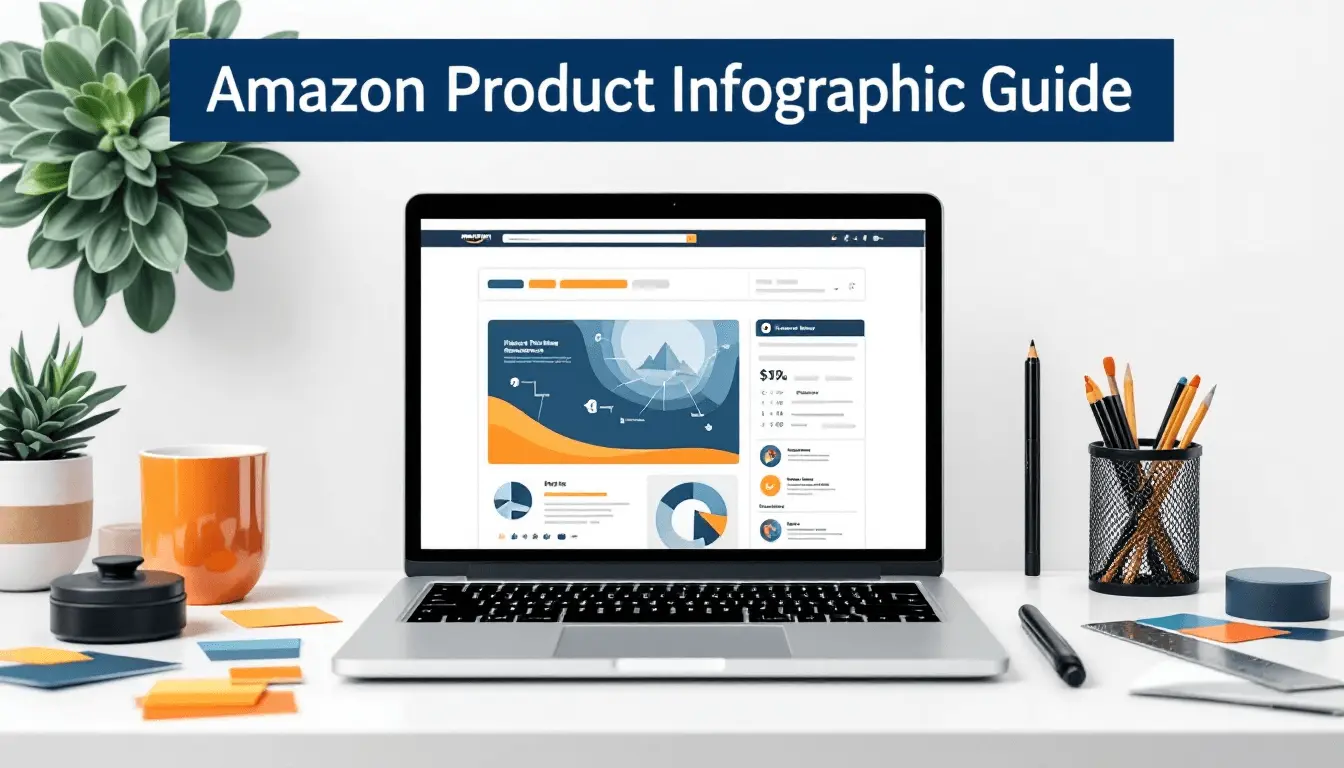
Combine jewelry photography props with benefit callouts for marketplace-friendly visuals (inspiration: Amazon product infographic).
Want a broader styling framework? See: product staging and product styling.
Use Case Explanations: Where Jewelry Photography Props Drive the Biggest ROI
Use case 1: Ecommerce PDPs (Shopify / DTC)
On PDPs, jewelry photography props should be consistent across the gallery: one clean hero + 2–4 lifestyle images that show scale and sparkle. If you're building a story-driven gallery, explore product lifestyle photography.
Use case 2: Marketplaces (Amazon, Etsy, etc.)
For marketplaces, lead with a compliant main image (often a clean white background photo), then use jewelry photography props in secondary images to show use cases and scale. If you're optimizing listings, see: Amazon listing optimization.
Use case 3: Social media (Reels, carousels, Pinterest)
For social, rotate jewelry photography props to avoid creative fatigue: stone one week, fabric the next, then lifestyle clusters. Keep lighting consistent so your grid stays cohesive.
Use case 4: Seasonal campaigns and gift guides
Seasonal shoots are where jewelry photography props shine: flowers for spring, cozy textiles for fall, metallic accents for holiday. Generate variations quickly with AI product photography when you can't reshoot.
Step-by-Step Tutorial: A Repeatable Jewelry Photography Props Setup
Use this workflow to plan, shoot, and repurpose jewelry photography props scenes in under an hour per SKU set.
- Choose the single goal of the image: Pick clarity (marketplace), desire (ads), or education (how it wears). Your jewelry photography props should match that goal.
- Start with a clean cutout (optional, but powerful): Remove the background so you can place the jewelry into multiple scenes. Follow: how to remove background from image.
- Pick one hero surface + one supporting prop: Example: marble + a small ceramic dish. Limiting your jewelry photography props keeps the composition premium and product-first.
- Light for sparkle (without harsh glare): Use soft, diffused light and angle jewelry slightly. Watch for hotspots on polished metal and gemstones.
- Shoot 3 essential frames: (a) clean hero, (b) lifestyle with props, (c) macro detail. This trio covers most ecommerce needs.
- Create 2–3 fast variations: Swap only one thing: background color, surface, or prop. That's the fastest way to scale jewelry photography props without creating clutter.
- Export for every channel: At minimum export 1:1, 4:5, and 9:16. Keep file sizes optimized for speed.
- QC checklist before publishing: Check dust, fingerprints, edge sharpness, color accuracy, and whether jewelry photography props distract from the piece.
Video: A simple production workflow you can reuse for jewelry photography props scenes and variations.