
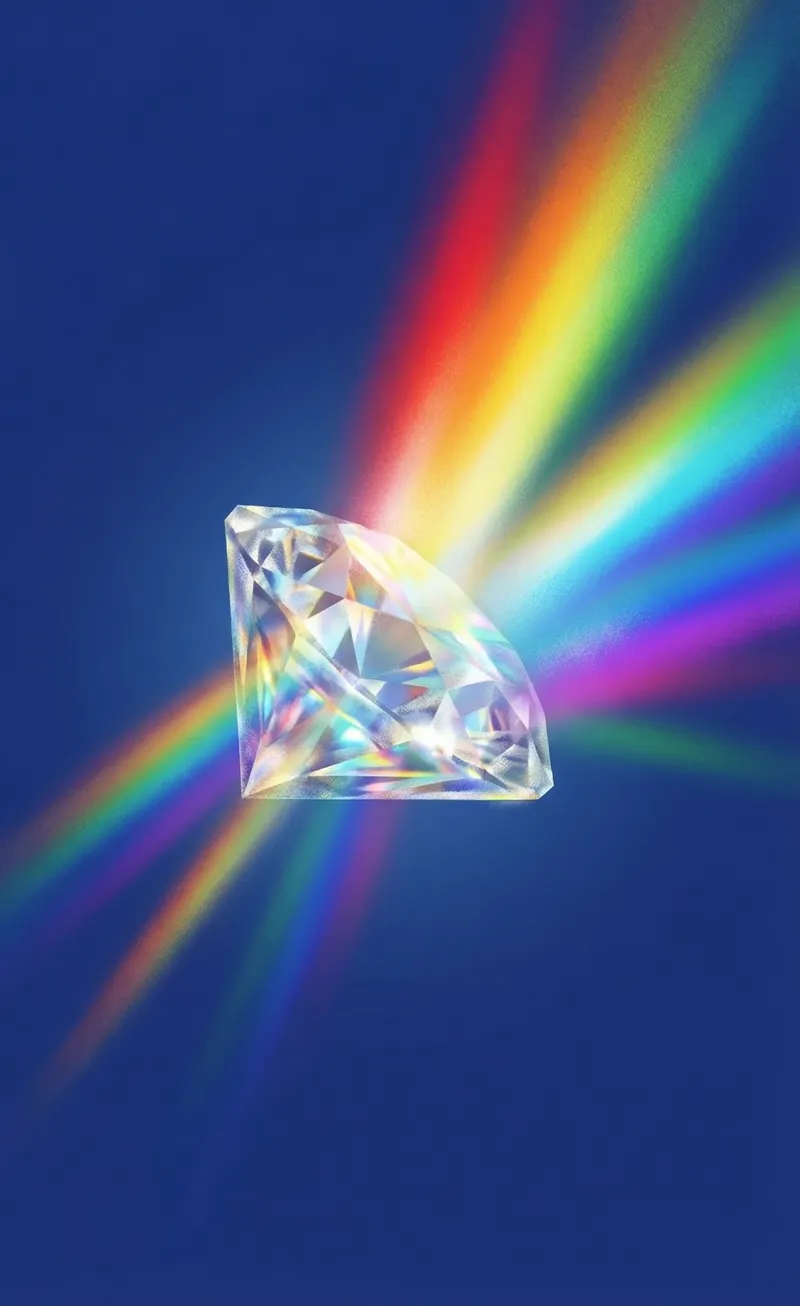
Jewelry is the most difficult product category to photograph. Not because it's complex. Because it demands control of physics that most photographers don't have access to.
Light bounces off metal. Gems refract light in specific wavelengths. Reflective surfaces pick up every imperfection—dust, fingerprints, incorrect white balance. A ring that looks flawless to the human eye can look dull and flat in a photo. A diamond that sparkles in sunlight becomes a dark blob under wrong lighting.
I've seen jewelry brands spend 10x more on photography than other product categories. Not because they want to. Because they have to. The margin between a photo that sells and a photo that fails is razor-thin when you're selling something where beauty IS the entire value proposition.
This guide isn't about making jewelry look "nice." It's about making jewelry look how it actually looks in person—or better. The goal of jewelry photography is to justify the price tag in the mind of someone looking at a screen.
Why Jewelry Is Photography's Hardest Challenge
Scale: Most jewelry is under 3 inches across. At that scale, you need macro photography—extreme zoom with shallow depth of field. Slight focus mistakes make the whole shot unusable.
Reflective Surfaces: Metal reflects everything—your camera, your lighting, the reflection of the reflection. A bracelet at the wrong angle shows the photographer holding the camera.
Translucent Materials: Diamonds, sapphires, rubies refract and disperse light. A blue sapphire under cool white light looks different than under warm light. There's a "correct" angle for each stone—miss it and the gem looks dead.
Lighting Complexity: You need light from multiple directions simultaneously. Key light for form, fill light to avoid harsh shadows, back light for translucency and sparkle. Wrong direction and the metal looks flat. Too much and reflections blow out.
Micro-Detail: Scratches, dust, fingerprints are visible at macro scale. You need an obsessive cleaning and handling protocol.
Lighting Setup: The Foundation
The Light Tent: A white translucent box that diffuses light evenly. Standard for jewelry. It removes harsh shadows and direct reflections. Light enters through the diffusion fabric, bounces around inside, and hits the jewelry from multiple angles simultaneously.
Multiple Light Sources: Professionals use 3-4 lights minimum:
- Key Light: 45 degrees, slightly above. Primary illumination revealing form.
- Fill Light: Opposite the key, softer. Fills shadows without secondary highlights. 50% intensity of key.
- Back Light: Behind and above. Separates jewelry from background, shows translucency. For diamonds, this is where sparkle lives.
- Optional Side Light: Accent light for texture or specific elements.
Diffusion is Non-Negotiable: Direct light is harsh. Use diffusion paper or cloth between light and jewelry. This softens shadows and reduces harsh reflections.
Reflectors: White foam boards and silver panels are as important as lights. A white card bounces light back into shadow areas. A silver reflector creates catchlights that show shine.
Camera Settings for Macro Jewelry Shots
Aperture: At macro magnification with f/2.8, only a razor-thin slice is in focus. Stop down to f/5.6-f/11 for adequate depth of field. Trade-off: less light, need more powerful lights or longer exposures.
Shutter Speed: Anything slower than 1/125th risks hand tremor. Use a tripod (essential), remote trigger or self-timer.
ISO: Keep low (100-400) to reduce noise. Jewelry images are detailed; noise destroys detail.
White Balance: Critical. Gold under neutral WB looks good. Under warm WB it looks muddy. Under cool WB it looks cold. Take a WB reference shot for every shoot.
Manual Focus: Autofocus struggles with reflective surfaces—locks onto highlights instead of objects. Use manual focus with a focus rail. Focus stacking (5-10 images blended) achieves total sharp focus.
Lighting Setups for Different Jewelry Types
| Jewelry Type | Optimal Setup | Key Challenge | Critical Detail |
|---|---|---|---|
| Rings with Stones | 3 lights: key at 45°, fill opposite, strong back light | Stone brilliance without hotspots | Back light must hit stone at angle for sparkle |
| Diamond Rings | 4 lights: tight key, strong back, side fills, reflectors | Nearly colorless; sparkle depends on direction | 1 inch difference changes entire look |
| Necklaces & Pendants | Key above, fill below, back light behind pendant | Chain draping; pendant angle; avoiding tangles | Chain detail requires consistent lighting across length |
| Bracelets & Bangles | 3 lights in light tent; key at 45°, fill, back light | Showing full circumference; consistent curve lighting | Tent diffusion critical for smooth reflections |
| Earrings (Studs) | 3 lights: tight key front, side fills, back for stone | True size; metal backing not visible | Symmetry—both must be identically lit |
| Watches | Key at 45°, fill, back light, rim light for edge | Face reflection; band flatness; case finish | Face angle determines if dial is readable or washed out |
| Pearl Jewelry | Soft diffused; key, soft fill, minimal back light | Luster/sheen not sparkle; avoiding overexposure | Less harsh lighting than gemstones; softness is goal |
Background Selection
White: Standard for ecommerce. Removes context. Danger: jewelry can look washed out. Counter with strong back lighting.
Mid-Gray: Provides contrast. Gold and rose gold stand out. Diamonds show more sparkle. More editorial feel.
Black: Maximum contrast and drama. Diamonds sparkle dramatically. Best for engagement rings, luxury watches, statement pieces.
Lifestyle: On hands, on marble, on fabric. Secondary images after the primary pure-background shot. They sell the dream.
Retouching Essentials
Jewelry photography is 50% lighting, 50% post-processing.
Dust Removal: At macro scale, dust is visible. Clone tool or healing brush. Tedious but non-negotiable.
Color Correction: White balance in post is almost always necessary. Aim for neutral where white is truly white.
Brightness & Contrast: Slight brightness increase and contrast increase to make the piece pop. Be subtle.
Sharpening: Slight unsharp mask (0.5-1.0 radius, 100-150%). Emphasizes detail. Over-sharpening creates halos.
Dodge and Burn: Selectively lighten highlights, darken shadows. 1-2% adjustments at a time.
Common Mistakes
Fingerprints: Handle jewelry only by edges or wear cotton gloves. Clean with microfiber before every shot.
Wrong White Balance: Pick your WB and maintain it across all shots. Inconsistency makes pieces look like different products.
Depth of Field Too Shallow: f/2.8-f/4 at macro leaves parts out of focus. Need f/5.6-f/11.
Poor Stone Illumination: If the stone isn't brilliantly lit, the image fails. Back light specifically for the stone.
Harsh Reflections: Single light source creates blown-out reflections. Use diffusion and multiple lights.
Not Showing Scale: Include a scale reference—a finger, a coin, or a lifestyle shot worn.
How AI Handles Reflective Surfaces
Traditional AI generators struggle with jewelry: they hallucinate reflections, flatten gems, and get metal finishes wrong. Polished gold is different from brushed gold is different from matte gold.
ProductAI approaches this differently. Rather than generating purely synthetic images, it builds on your source photography—understanding the actual geometry, materials, and lighting of the real piece. It applies professional lighting simulation, clean backgrounds, and angle variations while maintaining authentic material properties.
For jewelry specifically: photograph your ring from one angle, ProductAI generates multiple angles with consistent professional lighting. For color variations, generate each from a single source. For multiple products, batch process 50 items in an afternoon. Not a perfect studio shoot, but professional enough to list, generated in minutes instead of weeks.
Final Thoughts
Jewelry photography is relentless in its demands. Imperfect lighting shows. Dust shows. Wrong white balance shows. It's photography where mediocrity is obvious and excellence is required.
But great jewelry photography pays dividends. An engagement ring photographed correctly sells faster and at higher confidence. Luxury watches photographed with light discipline command premium pricing.
The brands that dominate jewelry ecommerce aren't necessarily the ones with the most beautiful products. They're the ones who mastered the physics of photographing reflective, translucent, beautiful things. That discipline—combined with tools that let you generate consistent, professional variations at scale—is what separates jewelry sellers who struggle from those who thrive.
Written by Aljoša Židan, Product Lead at Shape. We help jewelry brands photograph products at scale with AI. Let's talk.